Cleansing
How to cleanse sensitive skin without irritation
Quick answer
Sensitive skin should be cleansed with lukewarm water and a gentle cleanser, without rubbing. Washing twice a day is enough; pat the face dry with a towel and apply a barrier-supporting moisturiser straight away.
Why does sensitive skin get irritated more easily?
Sensitive skin is not a diagnosis but a description: the skin reacts with burning, stinging, redness or tightness to products other people use without any problem. The most common reason is a weakened protective barrier in the skin's outermost layer. When the barrier is weak, moisture is lost more easily and external irritants reach the skin more easily.
Cleansing is the step that wears down this barrier most often. The good news: changing a few habits often makes a big difference.
Gentle cleansing, step by step
- Use lukewarm water. Hot water quickly strips the skin's oils, while cold water does not soften dirt enough.
- Choose a gentle cleanser. A foam or milk that does not leave the skin tight is ideal. A hazelnut-sized amount is enough.
- Fingertips only, 30–40 seconds. Do not scrub with a brush, exfoliating mitt or rough sponge.
- Rinse thoroughly. Make sure no cleanser is left along the hairline or under the chin.
- Pat dry. Press the towel gently onto your face instead of rubbing.
- Moisturise within a minute. Cream applied while the skin is still slightly damp locks in moisture better.
How should make-up be removed?
On days with heavy make-up or water-resistant sunscreen, one cleanser may not be enough. First dissolve the make-up with a softening product (such as a cleansing milk or oil), then wash with a gentle foam. This "double cleanse" removes the need for harsh rubbing.
Should you exfoliate?
Exfoliation is not completely off-limits for sensitive skin, but frequency and method matter. Choose gentle, cream-based products instead of harsh grainy scrubs and do not exfoliate more than once a week. If your skin is already red or burning, stop exfoliating completely for a few weeks.
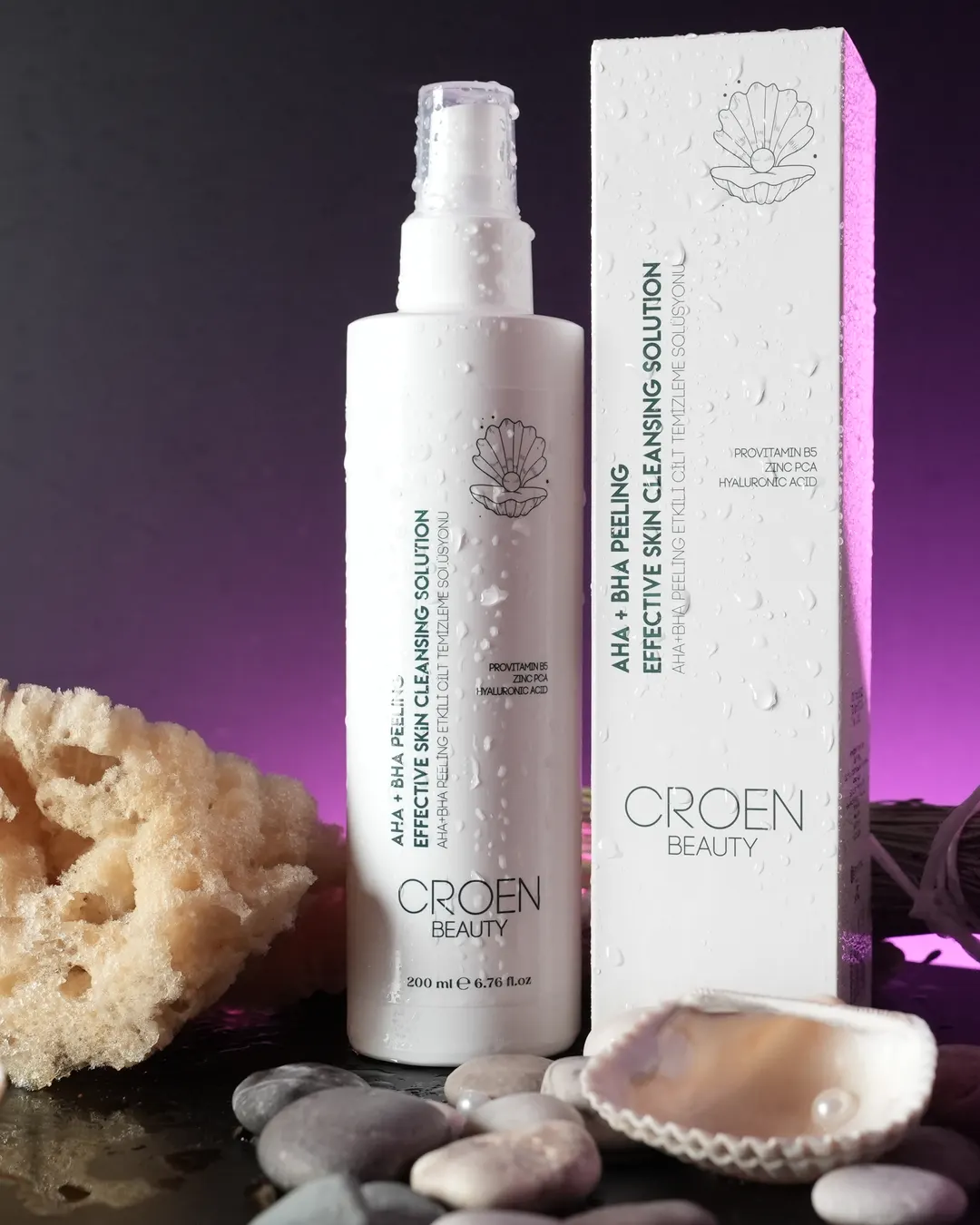
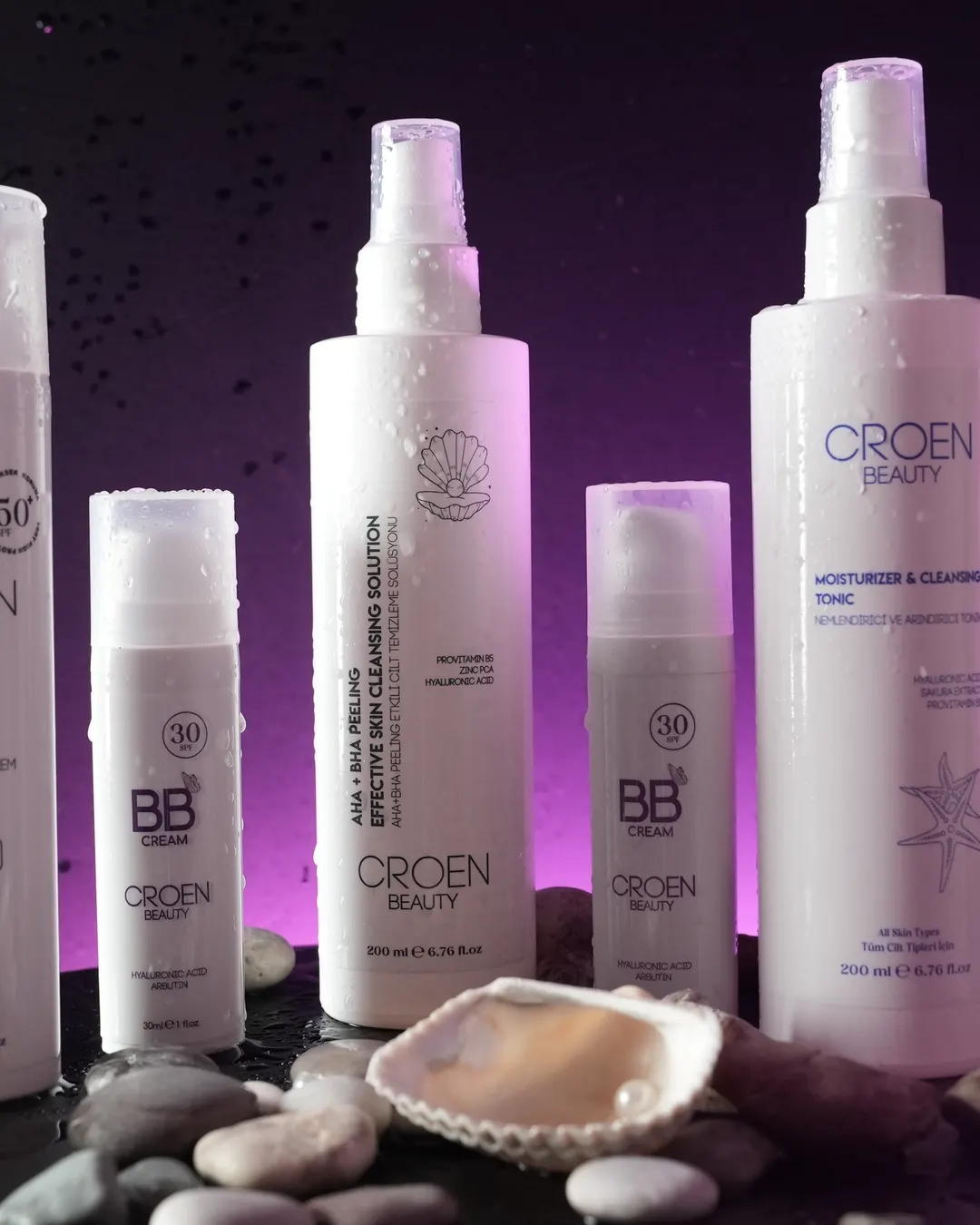
Acid-based cleansing products (AHA/BHA) are generally not recommended for sensitive, atopic or broken skin; always test them on a small area first.
After cleansing: support the barrier
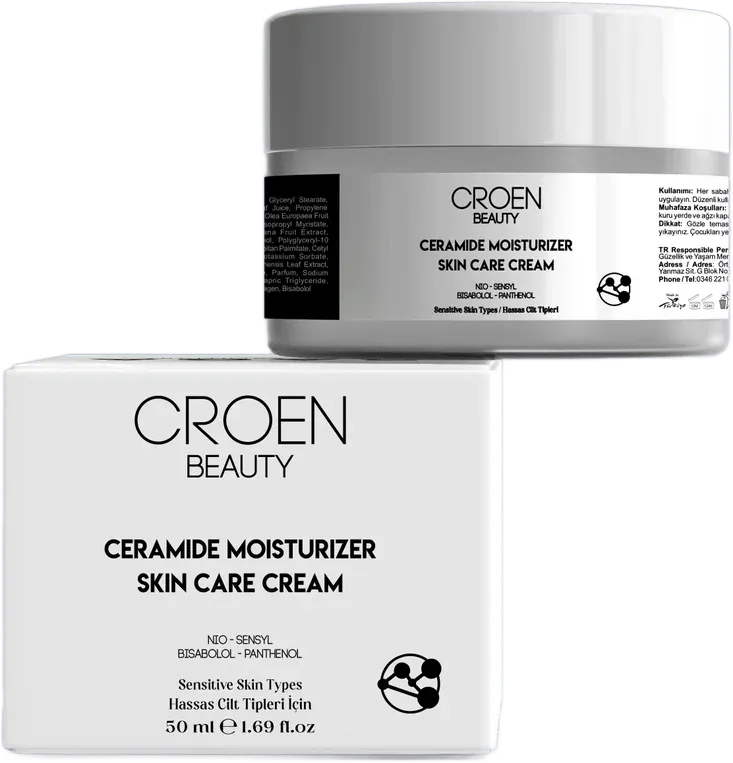
The ingredients in the moisturiser you use after cleansing matter too. Ingredients such as ceramides, panthenol and bisabolol support the skin's protective layer. Croen Moisturising Ceramide Cream contains all three.
Add new products to your routine one at a time. If you start three new products in the same week, it becomes hard to tell which one caused a reaction.
Frequently asked questions
How many times a day should sensitive skin be washed?
Twice a day, morning and evening, is enough. For some sensitive skin, plain lukewarm water in the morning may also be enough.
Does sensitive skin need a toner?
It is not essential. If you use one, choose a soothing product with low alcohol content and press it on with a cotton pad.
When should I see a dermatologist?
See a dermatologist if redness, burning or flaking continue despite changing products, or if there is blistering or swelling.
This article is for general information only and does not replace medical advice. If you have a persistent skin condition, please consult a dermatologist.