Salon treatments
Salon facials for oily and combination skin: choosing products and steps

Quick answer
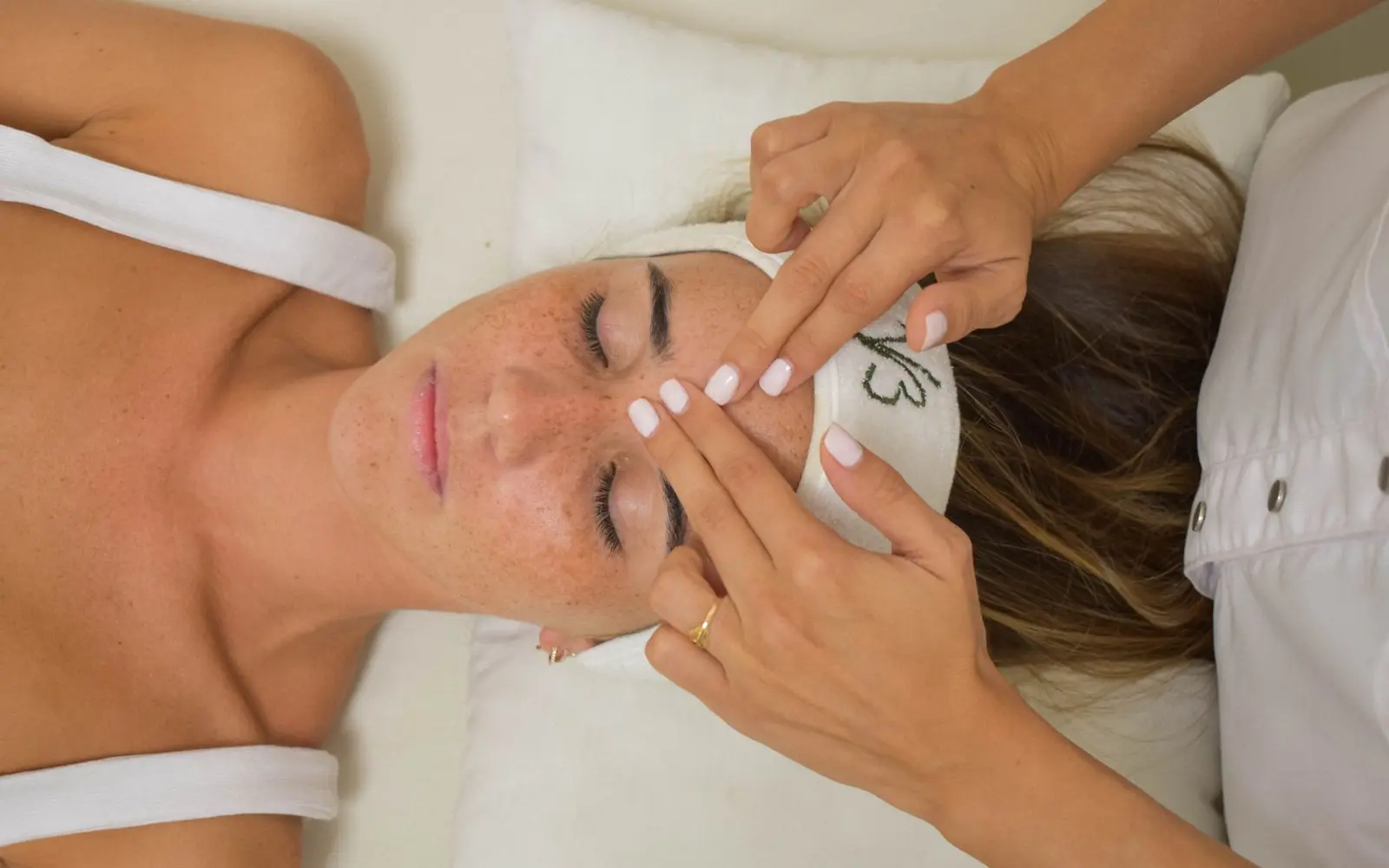
A salon treatment for oily and combination skin is planned with an oil-balancing cleansing gel, a peel to remove dead cells, a clay or purifying alginate mask and a light moisturiser. The aim is to remove excess oil and impurities without drying out the skin.
The most common mistake with oily skin
The most common mistake with oily-skinned clients is trying to "remove all the oil" with products that over-dry the skin. Over-dried skin becomes tight and sensitive. The right approach is to work with products that balance oil without leaving the skin dehydrated.
Recommended treatment flow
- Cleansing: the facial cleansing gel (for oily and combination skin) is massaged onto wet skin and rinsed thoroughly. Its zinc PCA supports oil balance.
- Toner: moisturising & purifying toner is misted on.
- Peel: if the client's skin is suitable, the intense peeling cream or another peel suited to the skin's condition is applied.
- Mask: purifying peel-off alginate mask (for oily and combination skin) or a clay mask.
- Finish: a light moisturiser and, during the day, sunscreen.

Home care recommendation
To maintain the results, the client can be advised to use a red clay mask 2–3 times a week at home and an evening cleansing routine suited to oily and combination skin. Cleansing solutions containing AHA and BHA should be used in the evening, always followed by sunscreen the next day.

When to refer to a specialist
Widespread, inflamed or painful breakouts, sudden skin changes or persistent redness are outside the scope of cosmetic treatment. In these cases it is best to refer the client to a dermatologist.
Frequently asked questions
Does oily skin need moisturiser?
Yes. Oily skin also loses moisture; a light moisturiser helps keep the skin balanced.
Can a clay mask be used every day?
No. Two to three times a week is enough for oily and combination skin; using it more often can dry the skin.
Can AHA/BHA products be used in summer?
Yes, but because the skin becomes more sensitive to the sun, a broad-spectrum sunscreen every day is a must.
This article is for general information only and does not replace medical advice. If you have a persistent skin condition, please consult a dermatologist.