Salon treatments
Salon facials for dry and sensitive skin: a gentle protocol
Quick answer
Dry and sensitive skin is treated with a soft cleansing milk, ideally no peel or only very gentle exfoliation, a cooling or moisturising mask and a barrier-supporting moisturiser. Hot water, harsh scrubbing and lots of active ingredients are avoided.
The difference between dry and sensitive skin
Dry skin does not produce enough oil; it feels tight and rough. Sensitive skin reacts to products and external factors with redness, burning or stinging. The two often go together, and the common need is to provide moisture without stressing the skin's protective barrier.
Recommended treatment flow
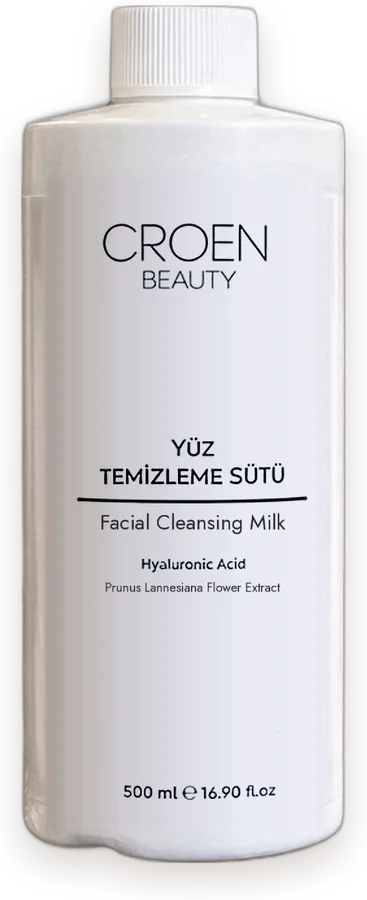
- Cleansing: facial cleansing milk (for dry skin) is applied with a light massage, residue is removed with a pad and the face is rinsed with lukewarm water.
- Toner: with toners containing alcohol, watch the client's reaction and skip this step if necessary.
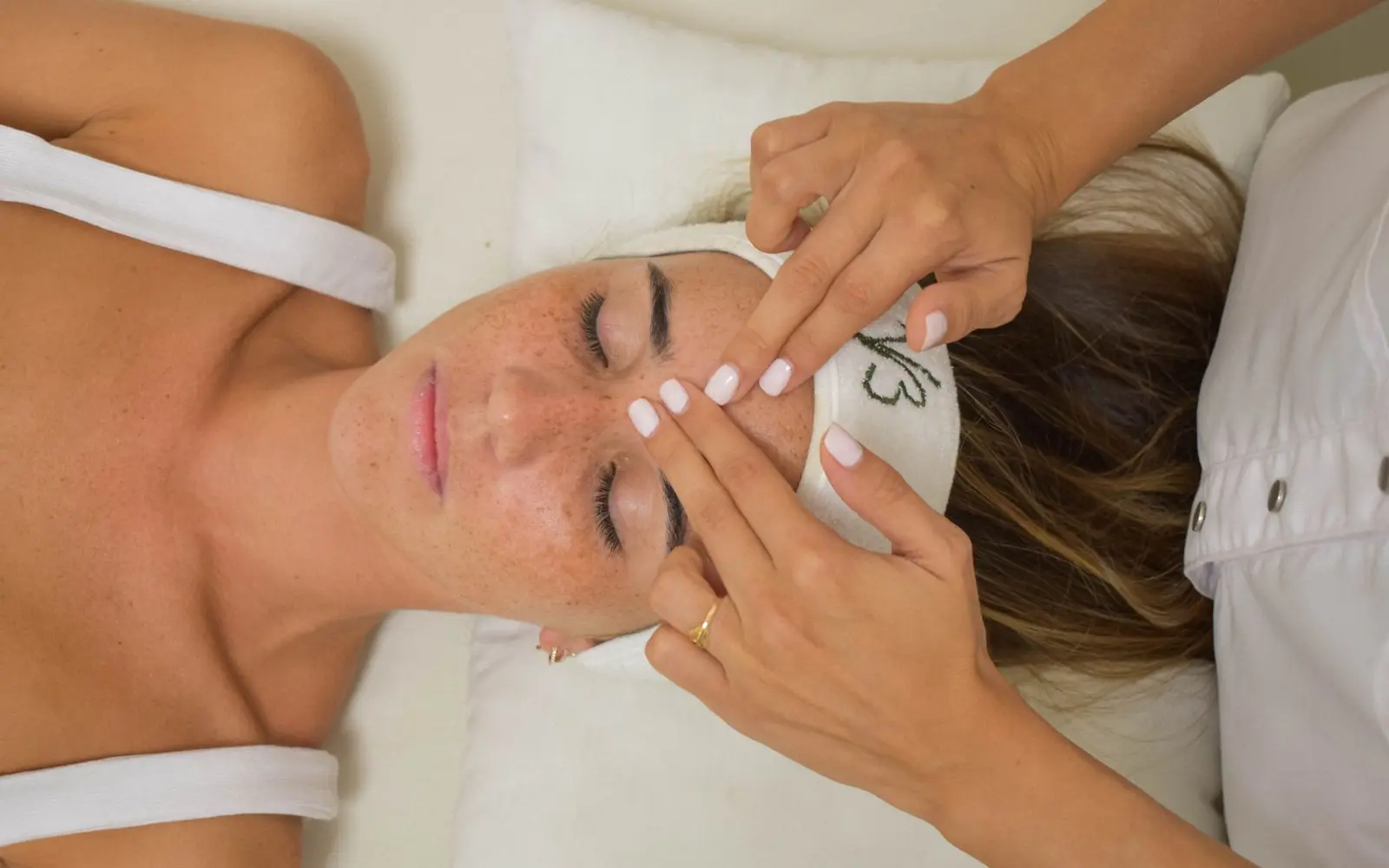
- Massage: a light, slow facial massage.
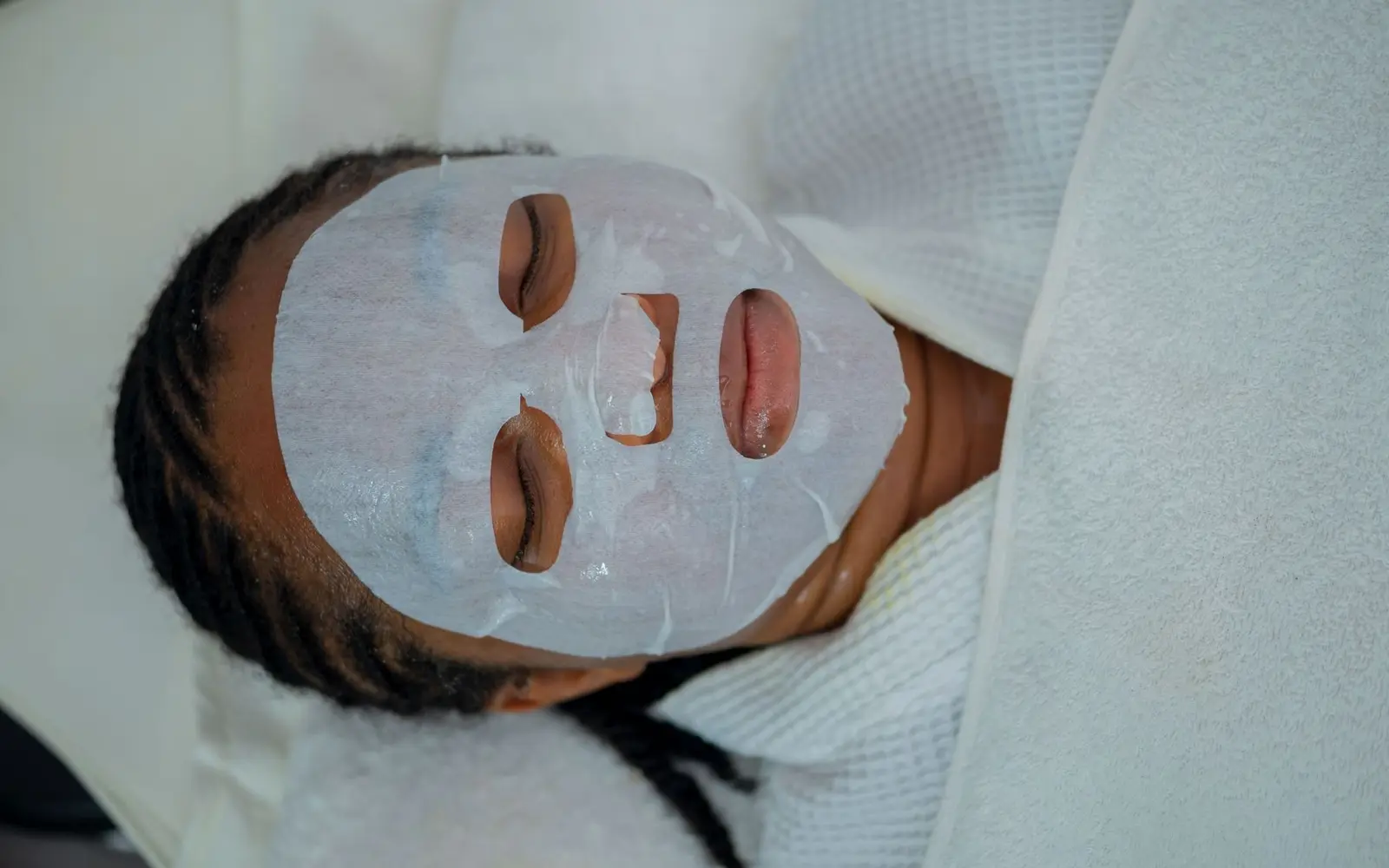
- Mask: the cooling moisturising alginate mask for sensitive skin, the moisturising alginate mask for dry skin.
- Finish: a moisturising cream with ceramides.
What to avoid
- Long exposure to hot water and steam
- Harsh scrubbing with grainy exfoliants
- More than one acid product in the same session
- Applying acid products to areas recently treated with laser or electrolysis
Home care recommendation
Advise the client to use a gentle cleanser and a ceramide moisturiser morning and evening and to try new products one at a time. Croen Moisturising Ceramide Cream is formulated for sensitive skin.
Frequently asked questions
Can sensitive skin be exfoliated?
If the skin is not irritated, a very gentle peel can be applied occasionally; when in doubt, skip this step.
What does a cooling alginate mask do?
This mask contains hemp seed oil and is recommended for sensitive skin; it gives a cooling, soothing feeling.
Which cleanser suits dry skin?
Milky cleansers that do not leave the skin tight are better suited to dry skin.
This article is for general information only and does not replace medical advice. If you have a persistent skin condition, please consult a dermatologist.