Masks
Red, white and green clay: the differences and which skin they suit

Quick answer
White clay (kaolin) is the gentlest clay and is preferred for dry or sensitive skin. Red clay has a denser texture and is often used on oily and combination skin. Green clay absorbs a lot of oil, so it is aimed at very oily skin.
How do clay masks work?
Clays are fine-grained natural powders rich in minerals. Mixed with water and applied to the skin, they help draw excess oil and dirt from the surface. Clays get their colour from the minerals they contain, and they differ in how much oil they absorb.
Comparing types of clay
| Clay | Character | Suitable skin type |
|---|---|---|
| White clay (kaolin) | Gentlest | Dry, sensitive, normal |
| Red clay (illite) | Medium to dense | Oily and combination |
| Green clay | High oil absorption | Very oily |
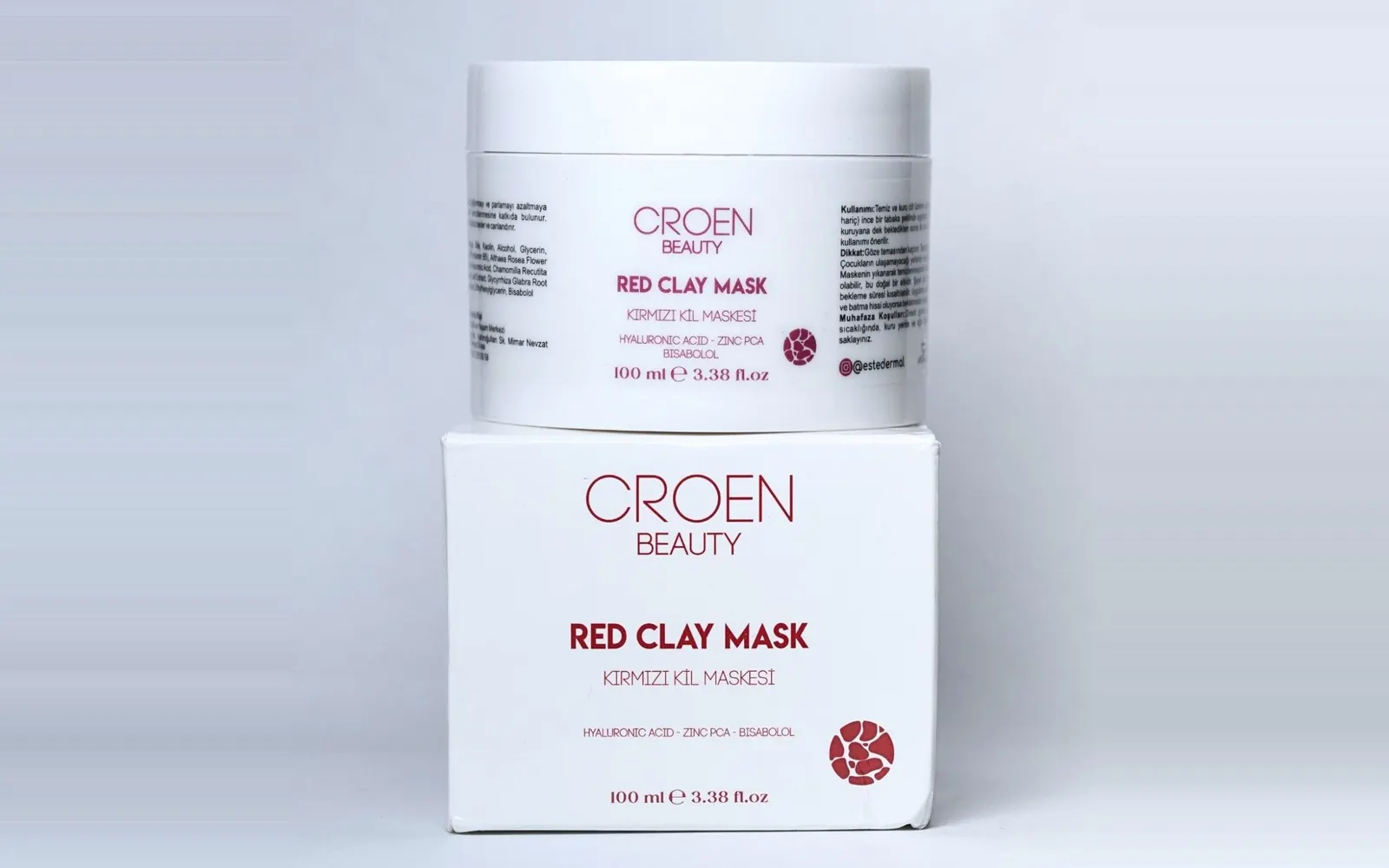
Croen Red Clay Mask combines red clay with kaolin; the purifying effect of red clay is balanced by the gentleness of kaolin.
Tips for choosing the right clay
- If your skin feels tight and flaky after the mask, choose a gentler clay or use it less often.
- On combination skin you can apply clay to the T-zone only and a moisturising mask to the cheeks.
- Always use a moisturiser after a clay mask.
Frequently asked questions
Can sensitive skin use red clay?
It can be used briefly and occasionally; testing it on a small area first is recommended. White clay is usually gentler.
How long should a clay mask stay on?
According to the label of Croen Red Clay Mask, it is left on until it dries; this usually takes 10–15 minutes.
Does a clay mask clear up spots?
Clay masks help reduce excess oil and dirt; acne is a skin condition, and persistent cases should be seen by a dermatologist.
This article is for general information only and does not replace medical advice. If you have a persistent skin condition, please consult a dermatologist.